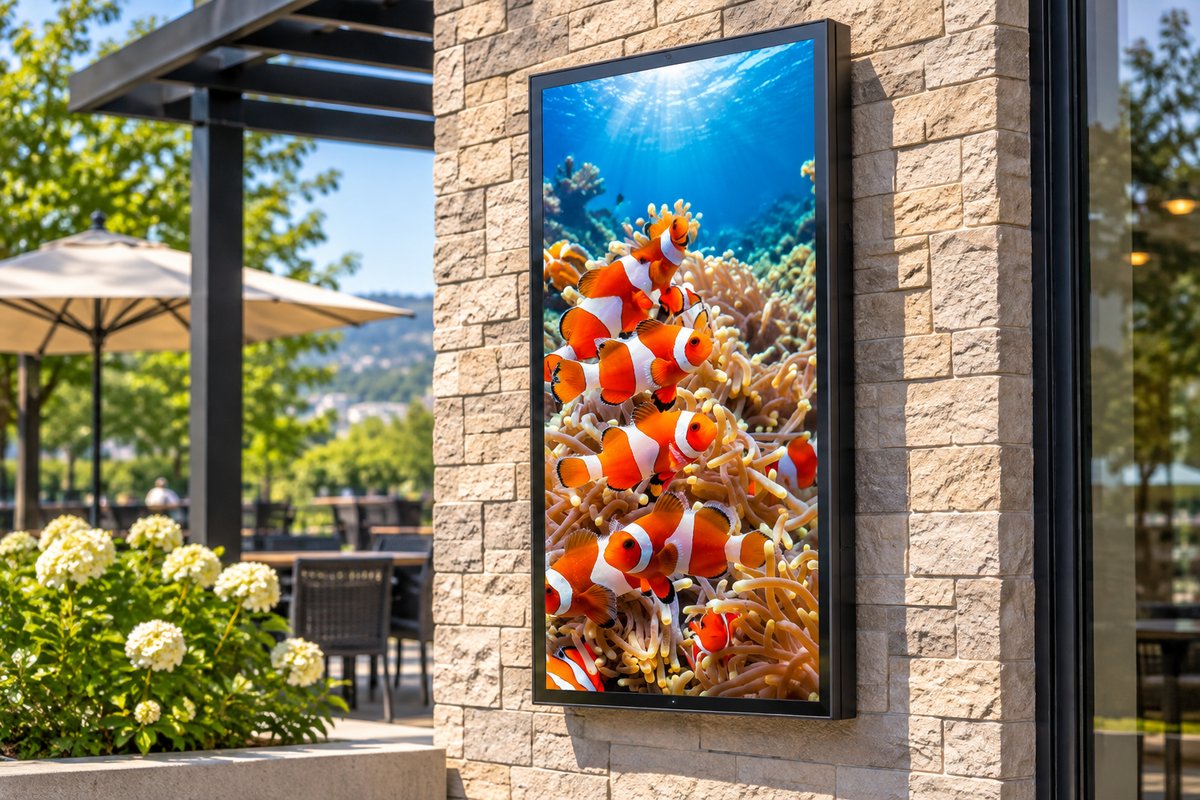
A Practical Guide to Outdoor Displays for Washington Patios and Public Spaces
Explore what makes a true outdoor display different from indoor TVs, and how to plan your perfect outdoor screen for Washington patios, bars, and more.
Why Outdoor Displays Matter in Washington’s Warmer Months
When patio, rooftop, and poolside seasons arrive in places like Seattle, Tacoma and throughout Washington, the focus turns to outdoor entertainment and signage. Local businesses and homeowners make the most of longer evenings and sunny afternoons—whether that’s hosting sports events, drawing customers to a bar deck, or offering drive-thru service. But strong summer sun and unpredictable Northwest weather can quickly reveal the limits of ordinary indoor TVs used outside.
In Washington’s peak outdoor months, sunlight can be harsh, especially on south- and west-facing patios. Standard TVs simply aren’t built for direct and reflected sun, leading to washed-out images, glare, and operational issues. For public spaces and backyard theaters alike, a professional outdoor display offers the visibility and reliability needed for a true four-season solution, especially through the warm months and in covered or heated patios.
Permanent outdoor displays—for patios, restaurants, kiosks, and more—are engineered to handle the elements and summer’s light conditions. If you want guests to enjoy anything from sports to menu boards without frustration, understanding the difference between outdoor displays and regular TVs is critical.
Why Ordinary TVs Wash Out or Fail Outside
Indoor TVs are designed for the soft, controlled lighting of living rooms or break rooms. Their screens are much dimmer than what’s required to compete with natural daylight. In direct sun, especially on a bright Washington summer day, their images become almost impossible to see—a major problem for patios, pool decks, and storefronts.
It’s not just brightness. Glare from the sky or nearby glass can make reflections overpower the entire image. Even TVs advertised as “semi-outdoor” struggle in full daylight, especially on patio walls facing afternoon sun. Prolonged exposure to heat, humidity, and changing weather can shorten the life of components not made for outdoor use, resulting in blank screens just when you need them most.
By contrast, the SSI HighBright 4K outdoor display is made for permanent outdoor installation. This purpose-built screen is fully sealed, counteracts glare with anti-reflective tempered glass, and delivers far higher brightness for sunlight readability.
What Makes a High Brightness Outdoor Display Different?
The most obvious difference is brightness. The SSI HighBright 4K outdoor display delivers up to 3,000 nits—several times brighter than ordinary TVs—so content remains clear and vibrant, even in direct sunlight. This is essential for Washington’s patios, drive-thrus, and outdoor bars open throughout the bright season.
Each screen is topped with anti-glare, anti-reflective tempered glass, factory-bonded across the display. This layer dramatically reduces reflections and helps preserve image quality from every angle, even when the sun’s at its highest. An automatic dimming sensor adjusts brightness as light conditions change, helping ensure clear images morning, afternoon, or evening.
HDMI, USB, and power all connect through sealed cable entries. For long-term outdoor use, that kind of design is essential: it’s what allows you to install the display outdoors, permanently.
Planning Your Location: Mounting, Power, and Sizing
Start by considering your audience and viewing space. For restaurant patios or bar rooftops, it’s common to mount outdoor displays where most seats face the screen with minimal obstructions. For backyard theaters or pool areas, think about primary sightlines and how far away guests will be. In drive-thrus or outdoor kiosks, ensure the display is high enough to prevent glare but low enough for easy interaction.
Selecting the right size is a balance between screen visibility and physical space. The SSI HighBright 4K outdoor display line comes in six sizes, from the compact 32″ Sealed 4K Outdoor Display—well-suited for kiosks and smaller patios—to the impactful 75″ Sealed 4K Outdoor Display for large open spaces or backyard theaters. Generally, larger screens offer better visibility from a distance, but always check the site lines and measure carefully.
Decide on mounting orientation: landscape is typical for TV and video, while portrait is valuable for digital signage and drive-thru menus. Every display includes a wall bracket in the box, and can be mounted either way. If you need your display to stand alone on a patio or plaza, consider the optional floor stand, which bolts to a concrete pad with cables routed from below for a clean finish.
Power and Wiring for Outdoor Installations
Bringing reliable power to your outdoor display is crucial. Many patios and outdoor dining areas will need a licensed electrician to add or upgrade GFCI-protected electrical outlets rated for outdoor use. For Seattle and other localities, you can apply for new or changed electrical service through Seattle City Light Start or Stop Service. Always follow local electrical rules and inspection processes to ensure a safe, permanent installation.
Cabling for video sources—such as HDMI, USB, or Wi-Fi—should be planned in advance. Sealed cable entries on the SSI HighBright enclosure keep connections protected. If using a wall mount, conceal cables behind siding, brick, or interior walls wherever possible; with the floor stand option, cables route up through the base for a tidy appearance.
For menu boards, kiosks, or any spot away from a building, ensure trenching or conduit meets local building codes and will withstand foot or vehicle traffic. Double-check future expansion needs, especially if you plan to add more screens or change media sources over time.
Sunlight, Glare, and the Hidden Challenges of Outdoor Environments
In Washington, outdoor lighting is highly variable—from long, bright evenings in July to those rare overcast afternoons in June. Strong sun hits south- and west-facing walls especially hard, creating extreme glare and brightness differences throughout the day. Checking the forecast via the Seattle Weather Forecast Office is helpful for planning optimal display placement and estimating seasonal sunlight exposure.
Even covered patios can reflect midday sun onto the screen, making anti-glare glass a must-have. With industrial-grade bonding techniques used in SSI’s HighBright displays, the glass layer cuts down reflections, keeps colors crisp, and reduces surface “sparkle” found in inferior overlays. Automatic dimming then compensates for those surprise changes—clear afternoons, sudden clouds, or when someone retracts the patio awning.
With longer summer days, being able to read screens clearly from 20–30 feet away on a popular patio or pool deck is a game-changer—and precisely why high brightness technology was developed. For movie nights and game days, it helps create an experience that pulls people together, instead of underwhelming them with a blank or washed-out picture.
Video Sources: Getting Content to Your Screen
The SSI HighBright outdoor display is not a smart TV, so it does not include built-in apps or a TV tuner. Instead, it is designed for flexibility: you connect your video source via HDMI, whether that’s a Roku, Fire TV, Apple TV, Chromecast, a digital signage media player, or a PC. This ensures easy compatibility with a wide range of entertainment and signage platforms.
If the installation requires internet access for streaming, ensure reliable Wi-Fi coverage reaches your patio or outdoor area. Each display comes with a Wi-Fi antenna built in, helping with wireless connections to local devices.
For commercial signage—such as drive-thru menu boards or real-time information kiosks—a dedicated signage player connected over HDMI offers centralized content control. Make sure your player or PC is installed in a secure, sheltered area, and remember to run high-quality cables to the display, using sealed entries for protection.
Permitting and Local Code Considerations
Washington businesses and property owners are responsible for following all local building and sign codes. Permanent outdoor display installations often require review or permits—especially when mounting on exterior walls, installing electrical circuits, or adding signage at drive-thrus or retail storefronts. In unincorporated King County, visit the King County Permits office to check requirements for your project type and location.
Mounting hardware, electrical runs, and cable placement must comply with local safety codes for outdoor-rated infrastructure. Using a licensed electrician is the best way to ensure your installation meets inspection standards. Codes and permit requirements can vary based on property zoning, signage type, and public access, so start the permitting process early and consult the county or city’s guidelines linked above.
For hotels, resorts, and larger projects, additional permissions may apply for digital signage or displays visible from the street. Planning with local regulators up front helps avoid delays and ensures your investment is fully compliant—and ready for guests as the outdoor season begins.
Picking the Right Size for Your Patio or Venue
Choosing the best display size depends on how far guests will sit or stand from the screen. For small patios, bars, or pool decks, a 43″ Sealed 4K Outdoor Display or 49″ Sealed 4K Outdoor Display may offer the perfect balance between space and visibility. Larger venues—like brewery gardens, hotel pools, or drive-in outdoor theaters—often benefit from a 65″ Sealed 4K Outdoor Display or the impressive 75″ screen.
If you only need a display for a compact kiosk or as a digital drive-thru menu board, consider a 32″ Sealed 4K Outdoor Display for clear, concise information at close range. For applications bigger than 75 inches—such as video walls for public spaces—SSI also offers P2.6 outdoor LED video walls, which the manufacturer rates IP65 and come with a 2-year warranty.
Not sure what size fits your layout and needs? The sizes and prices page lists every option in detail. Always measure sightlines and guest viewing distances before deciding.
FAQ: Outdoor Display Essentials
Is the SSI HighBright 4K outdoor display made for permanent outdoor installation?
Yes, the SSI HighBright 4K outdoor display is fully sealed and designed specifically for permanent outdoor installation. The cabinet, glass, and cable entries are engineered to ensure the display operates in outdoor environments for restaurants, patios, drive-thrus, kiosks, and home outdoor spaces.
What video sources are supported?
The display works with HDMI devices such as Roku, Fire TV, Apple TV, Chromecast, signage media players, or PCs. There are no apps, speakers, or TV tuner built in—they’re designed for use with external media sources.
Can I install it anywhere, or do I need a permit?
Many outdoor projects—especially those mounted to a business, public-facing wall, or used for signage—require a permit. Check your local building and signage requirements, such as through King County Permits or your city’s permitting office.
Ready to See Options?
When you’re ready to plan your perfect outdoor display—whether for patio TV, digital signage, or a backyard theater—SSI’s HighBright 4K line covers six sizes, two mounting styles, and customizable features.