Sealed outdoor display vs. outdoor TV vs. indoor TV
There are three common ways to put a screen outside. They differ in brightness, how the electronics are protected and what you plug into them.
| Indoor TV outside | Consumer “outdoor TV” | Sealed high-brightness display (SSI HighBright) | |
|---|---|---|---|
| Designed for | Living rooms | Patios, varies by model | Permanent outdoor installation |
| Brightness | Indoor levels | Varies by model | 3,000 nits, auto-dimming |
| Glass | Standard screen | Varies | Anti-glare / anti-reflective tempered glass, full-surface bonded |
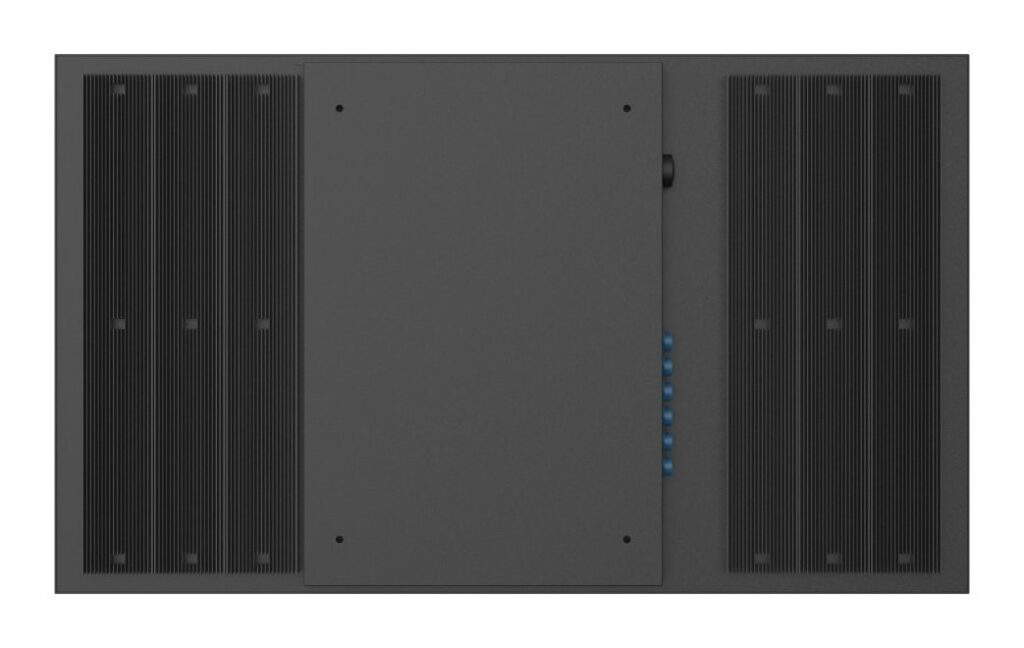
| Cabinet | Vented | Varies | Fully sealed, aluminum heat-sink cooling |
| Smart apps / tuner | Usually | Usually | No; use a streaming device or media player over HDMI |
| Touch / kiosk use | No | No | Optional capacitive touch and floor stand |
Why not just use an indoor TV?
Indoor TVs are not designed for outdoor temperatures, moisture, dust or sun. Vents let in what the outdoors carries, and indoor brightness levels wash out in daylight.
Why a display instead of a smart TV?
A commercial display keeps the electronics simple and sealed. The apps live on a small streaming stick or signage player you can update or replace any time. Plug in a Roku, Fire TV, Apple TV or Chromecast for entertainment, or a media player for menus and signage.
See sizes and prices.
Questions, volume pricing or help choosing?
Outdoor High Bright Displays is a Screen Solutions International (SSI) site. Call (888) 631-5880 or email ssisales@ssidisplays.com. Orders are placed and paid on ssidisplays.com, with free shipping nationwide.